A critical design project exploring how emotional attachment to objects emerges through friction, care, and time.
DOWNLOADS
values
Critical Design
Material Temporality
Research through Design
I designed a table surface made of kinetic sand that records physical traces of use over time. By living and working with it for one week, I investigated whether visible material memory could prompt reflection, negotiation, and care rather than seamless compliance.
Using a combination of auto-ethnographic journaling and forensic trace analysis, I documented how interactions accumulated into patterns such as functional anchors, incidental wear, and negotiated territory. The most significant moment occurred when I chose to reset a notebook imprint. Repair became a form of dialogue, revealing that attachment emerged not from frictionless interaction, but from moments where care had to be actively negotiated.
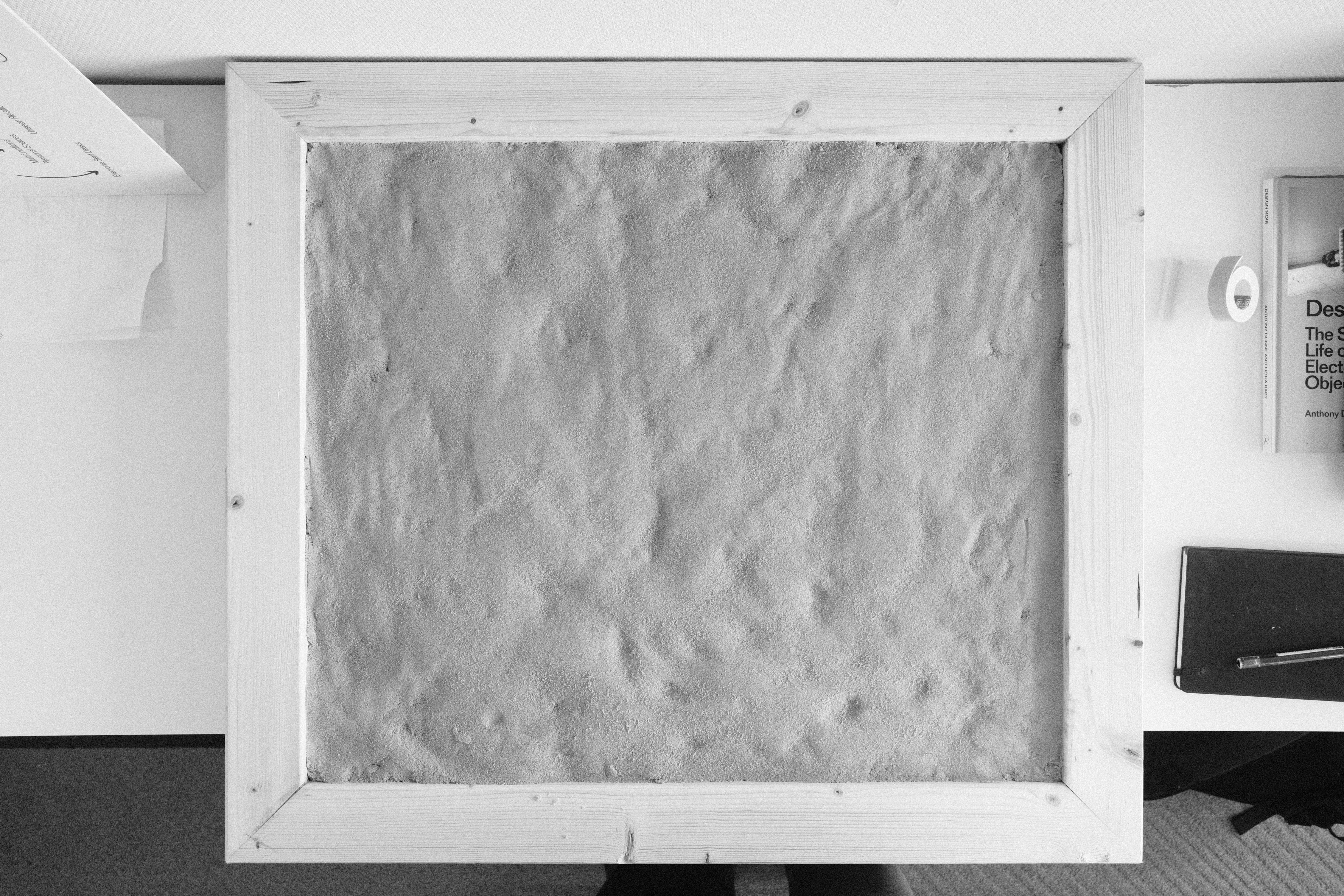
Clean slate (Day 1)
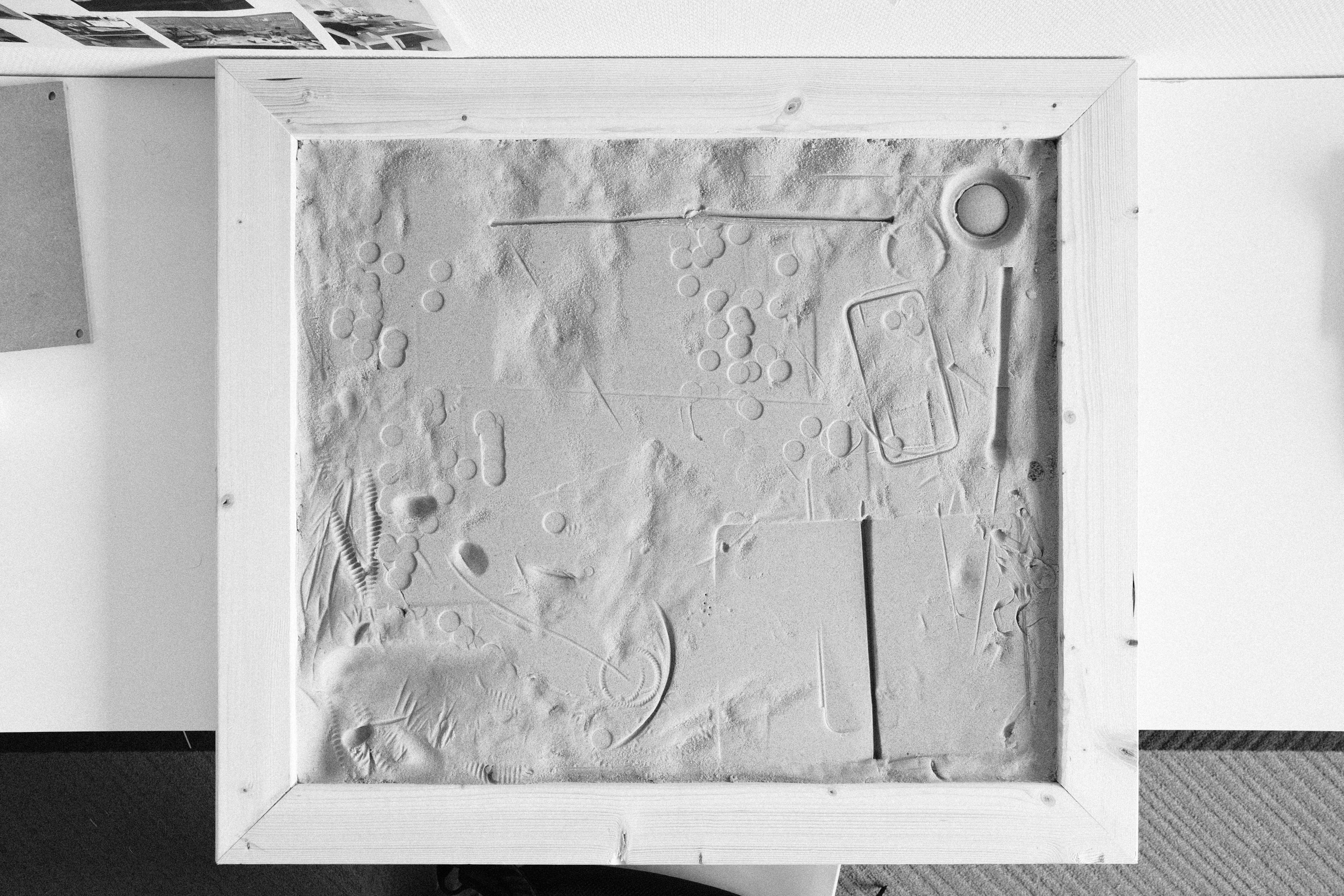
Day 30
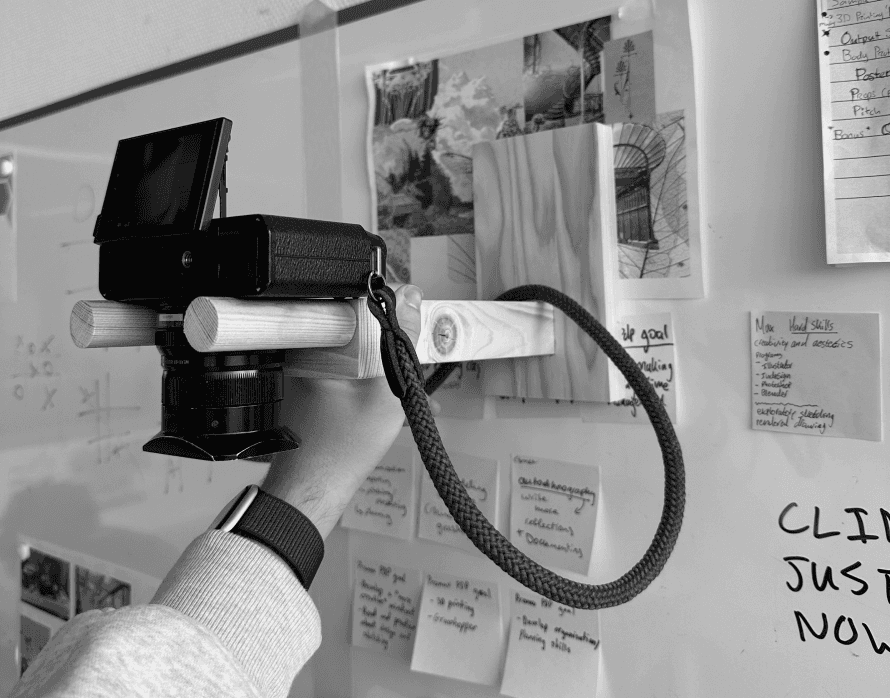
Custom overhead camera setup
The auto-ethnographic study included a custom camera setup that took an overhead image every 5 minutes for the duration of the project.
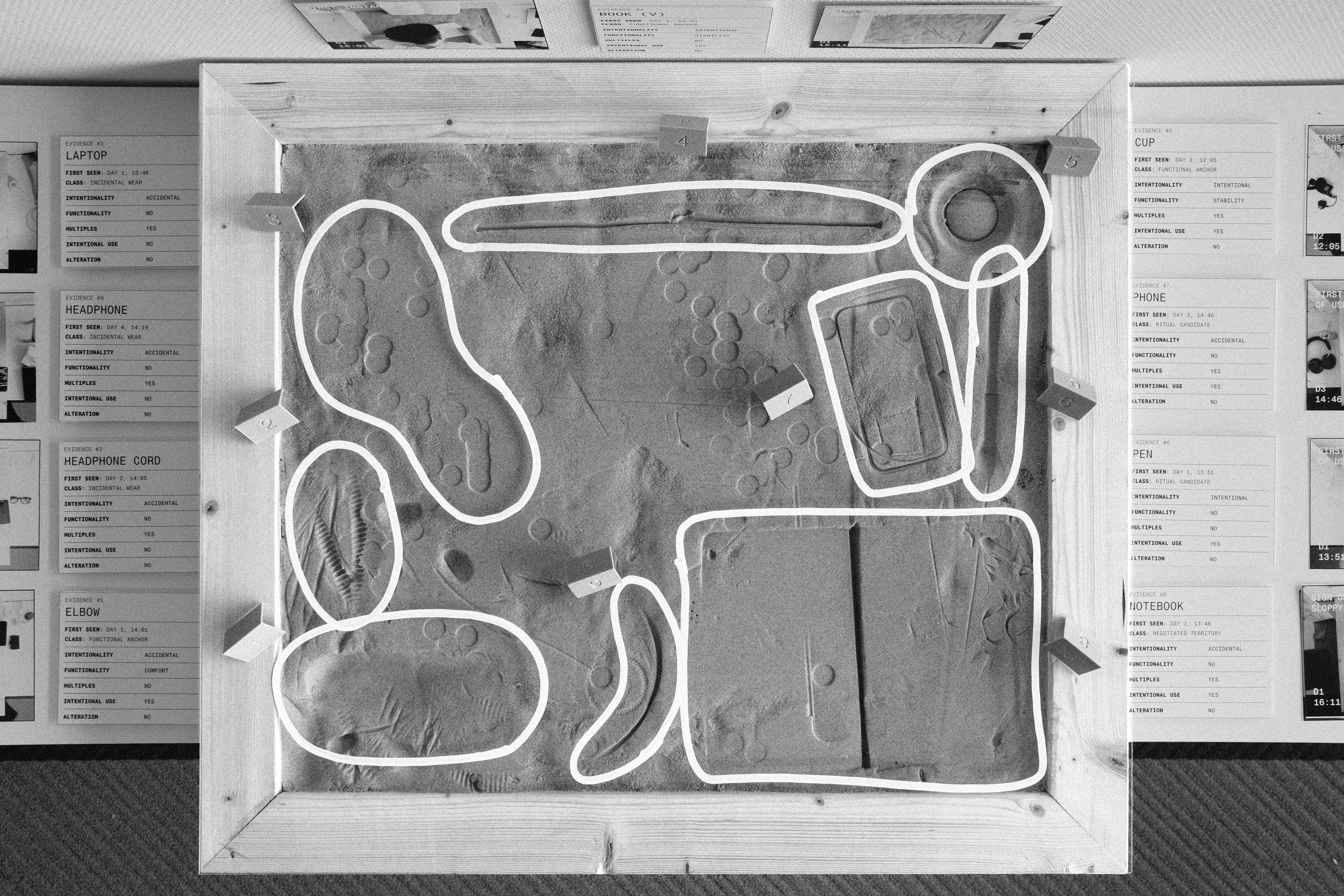
Forensic themed surface presentation
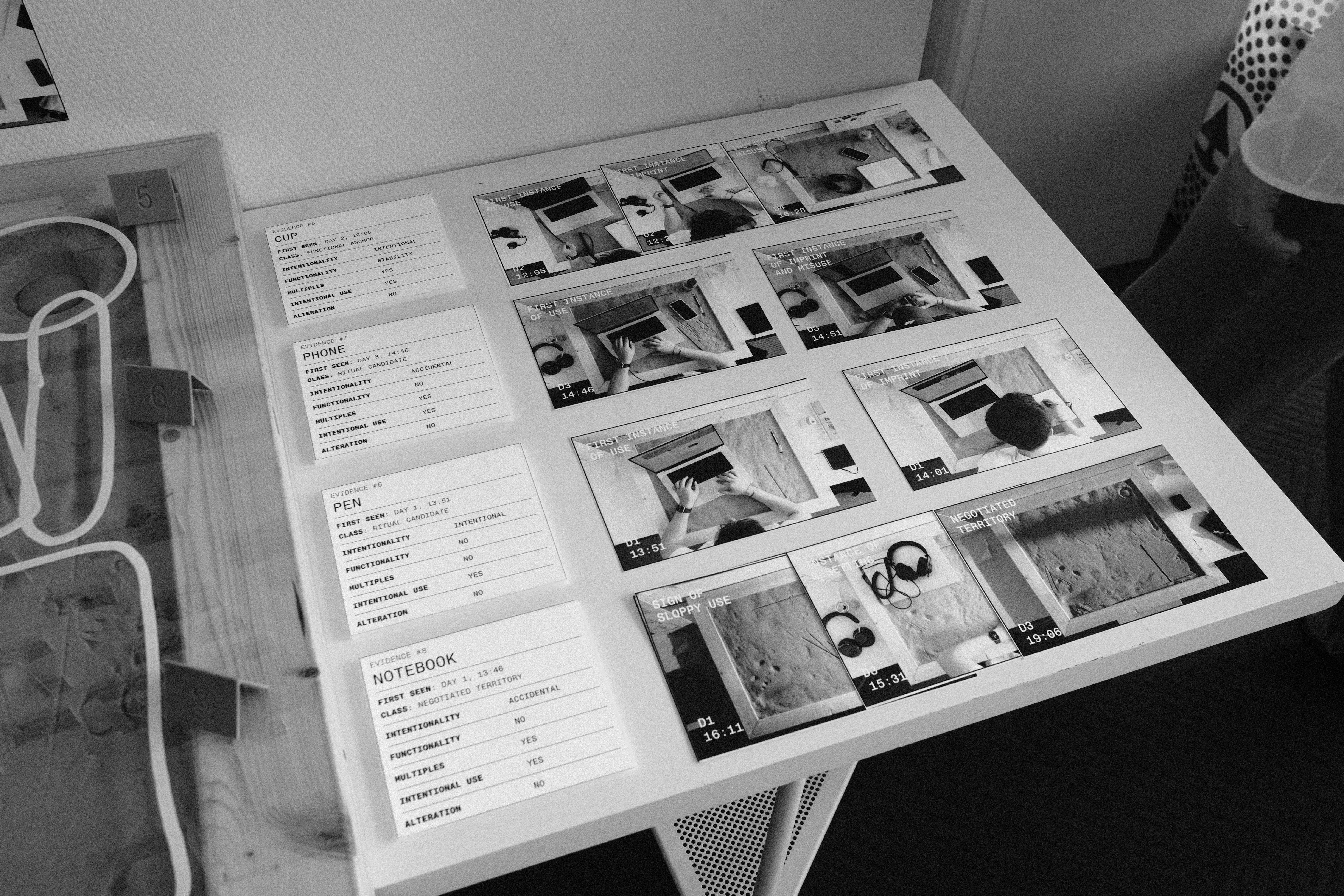
Tags for each inspected trace
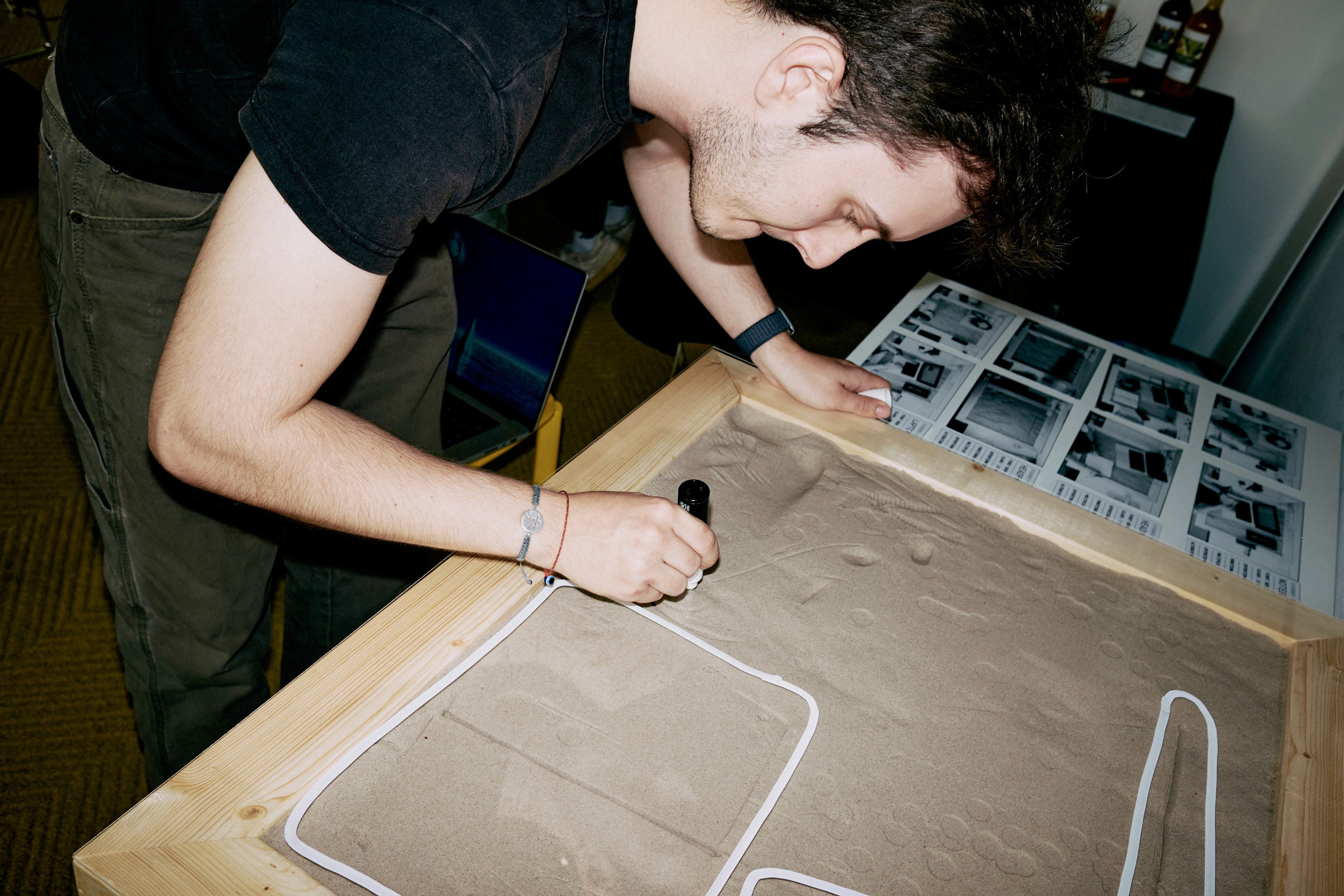
Preparing the setup
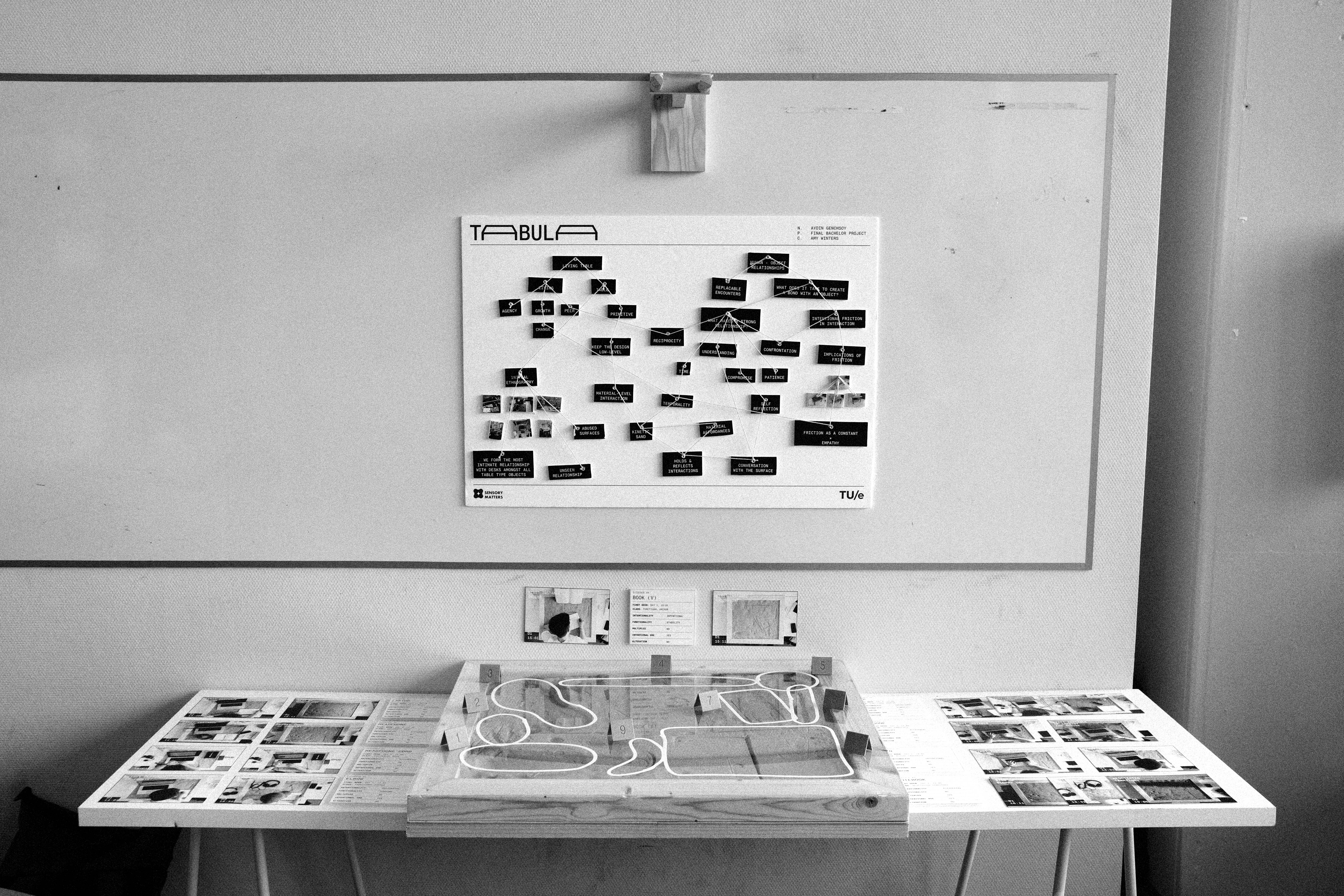
The complete setup for the exhibition
Investigative board presented during Demoday illustrating the themes explored in the project.
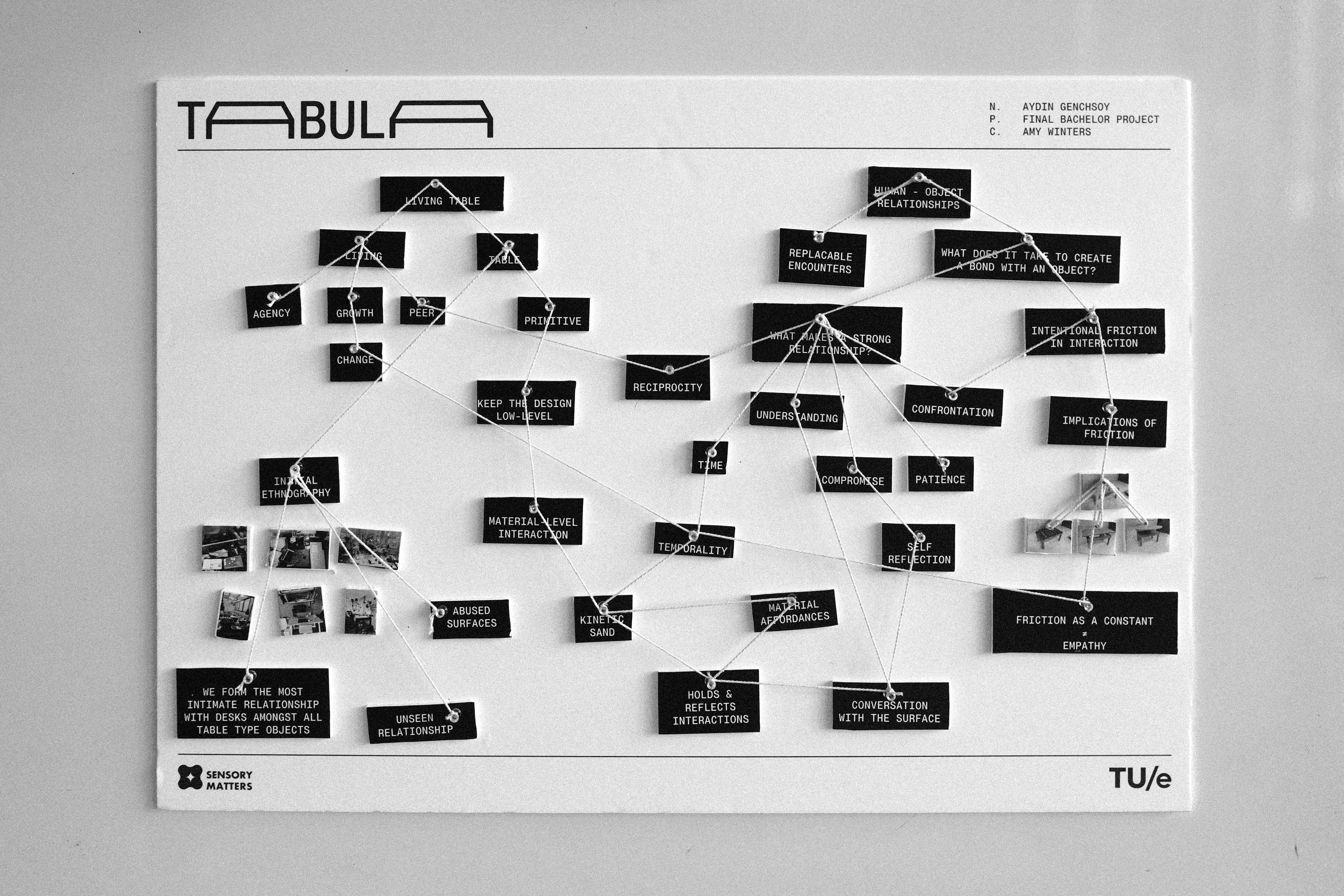
Investigative board
Catalogue of the nine imprints observed during the study.
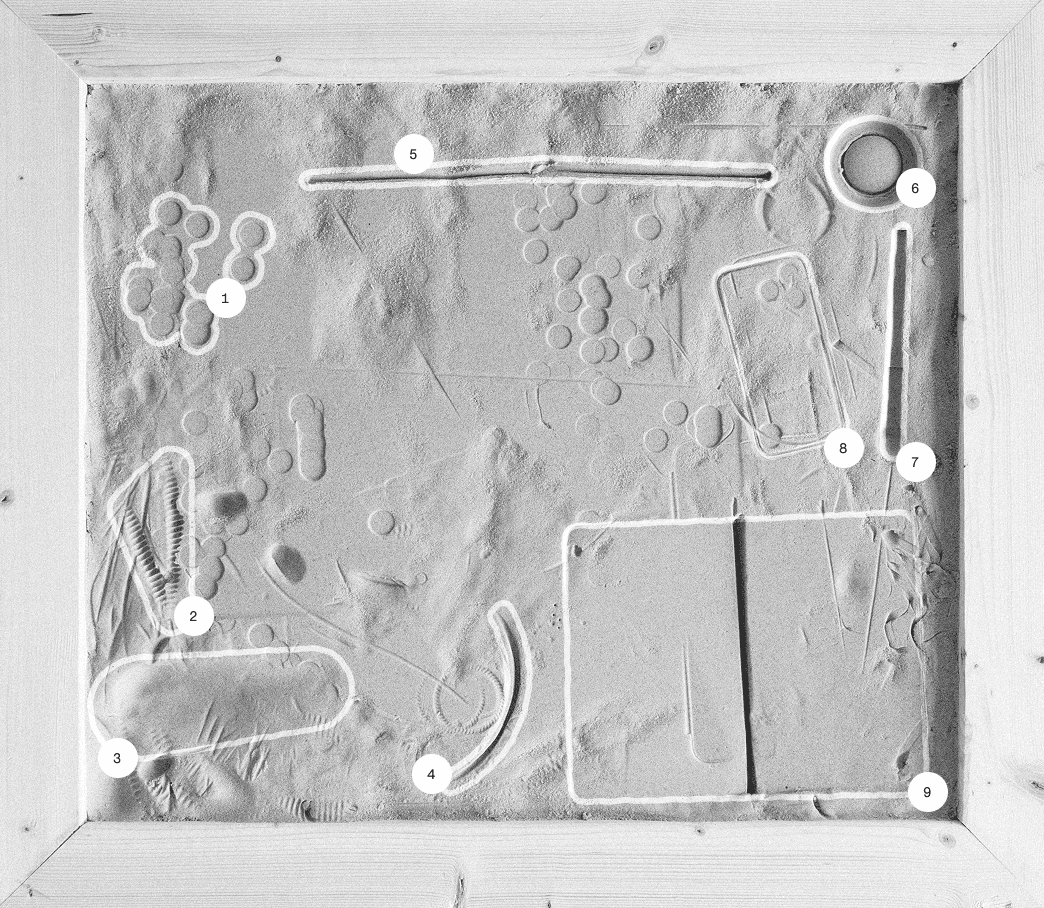
legend
LAPTOP
FIRST SEEN: DAY 1, 13:46
Class: Incidental wear
CORD
FIRST SEEN: dAY 2, 14:05
Class: Incidental wear
ELBOW
FIRST SEEN: dAY 1, 14:01
Class: Functional anchor
HEADPHONE
FIRST SEEN: dAY 4, 14:19
Class: Incidental wear
BOOK (V)
FIRST SEEN: dAY 1, 15:01
Class: Functional anchor
CUP
FIRST SEEN: dAY 2, 12:05
Class: Functional anchor
PEN
FIRST SEEN: dAY 1, 13:51
Class: ritual candidate
PHONE
FIRST SEEN: DAY 3, 14:46
Class: ritual candidate
NOTEBOOK